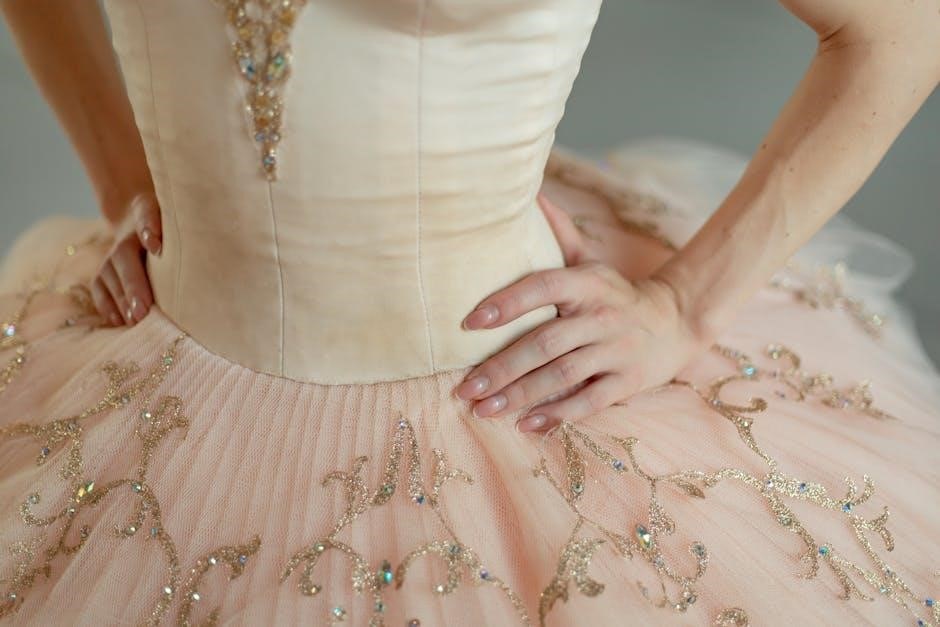
tutu size guide
A well-fitting tutu is essential for both performance and comfort. This guide helps you navigate the complexities of tutu sizing, ensuring a perfect fit every time.
1.1 Understanding the Importance of Proper Fit
Proper fit is crucial for optimal performance and comfort. A well-fitting tutu ensures freedom of movement and prevents distractions during performances. It also enhances the aesthetic appeal, creating a polished appearance. Poor fit can lead to discomfort, restricted movement, or an unflattering silhouette. Prioritizing accurate measurements and size selection guarantees a tutu that supports both functionality and artistry, making it essential for dancers of all levels. Always consider personal comfort and performance needs when choosing a size.
1.2 Overview of Tutu Size Variations
Tutu sizes vary to accommodate different body types, ages, and performance needs. Standard charts often include measurements for waist, hips, and length, while custom options offer tailored fits. Sizes may be categorized by age or height, with some designs catering to specific purposes, like stage or practice use. Understanding these variations helps in selecting the most suitable tutu for individual requirements.
How to Measure for a Tutu
Accurate measurements are crucial for the perfect fit. Measure your waist, hips, and desired tutu length to ensure comfort and proper sizing for optimal performance.
2.1 Taking Accurate Body Measurements
To ensure a perfect fit, measure your natural waistline, standing upright, and your hip circumference at the widest point. Use a flexible tape measure, keeping it level and snug but not too tight. These measurements are key to selecting the right tutu size and ensuring comfort during performances or events.
2.2 Key Measurement Points for Tutu Sizing
Measure your natural waistline, hip circumference, and desired tutu length. The waistline should be taken at the narrowest point, while hips are measured at the widest part. These measurements ensure a comfortable, flattering fit and proper movement during performances. Accurate sizing is crucial for both appearance and functionality of the tutu.
Tutu Size Chart Explanation
A tutu size chart provides a reference guide, including standard sizes, age, and height recommendations. It helps determine the best fit based on body measurements and fabric type.
3.1 Standard Size Charts for Tutus
Standard tutu size charts typically include numerical or alphabetical sizes, with corresponding age and height references. They provide measurements for waist, hips, and length, ensuring a proper fit. These charts are designed to help users select the correct size based on their body measurements, offering a universal guide for tutu sizing across different brands and styles.
3.2 Age and Height References
Tutu size charts often include age and height references to guide selection. These are general guidelines, as body proportions vary. For example, a child’s tutu size might align with their age and height, while adults may rely more on direct measurements. Always consider personal fit alongside these references for the best results. Proper sizing ensures comfort and performance.

Fabric and Material Considerations
Fabric and material choices impact tutu fit and durability, from stretchy, breathable fabrics for comfort to stiff, structured materials for professional performances, enhancing appearance and longevity.
4.1 Different Fabrics and Their Impact on Fit
Different fabrics significantly affect the fit and comfort of a tutu. Stretchy materials like spandex offer flexibility, while stiff fabrics provide structure. Netting is lightweight, ideal for layering, and organza creates a crisp, voluminous effect. Silk and satin are smooth, offering a luxurious look and feel. Each fabric type serves a unique purpose, influencing both aesthetics and movement.
4.2 Stretch vs. Non-Stretch Materials
Stretch materials, such as spandex or elastic, provide flexibility and comfort, allowing for a full range of motion. Non-stretch fabrics, like organza or tulle, maintain structure and volume, ideal for classical tutus. Choosing between them depends on the desired performance and aesthetic. Stretch offers ease, while non-stretch ensures durability and shape retention, both crucial for professional and stage performances.
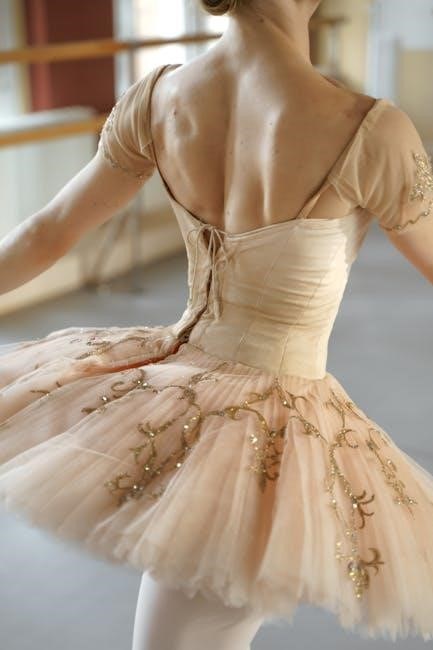
Choosing the Right Tutu Size
Selecting the correct size ensures comfort and confidence. Measure accurately, compare with size charts, and consider fabric stretch for a flawless fit tailored to your needs.
5.1 How to Select Size Based on Measurements
To select the right size, start by taking precise body measurements. Compare these measurements to the provided size chart, ensuring alignment with key points like waist and hip circumference. If your measurements fall between sizes, opt for the larger option to guarantee a comfortable and flattering fit. This approach minimizes sizing errors and ensures optimal comfort during performances or events.
5.2 When to Opt for a Larger Size
Choose a larger size if your measurements fall between two sizes or if you prefer a more comfortable fit. This is especially important for professional performances, where movement and flexibility are crucial. Opting for a larger size ensures the tutu sits correctly on the body, avoiding restrictions and discomfort during performances or events.

Custom vs. Standard Tutu Sizes
Custom tutus offer a perfect fit tailored to individual measurements, ideal for professionals. Standard sizes are cost-effective and suitable for most dancers, based on age and height references.
6.1 Benefits of Custom-Made Tutus
Custom-made tutus provide a perfect fit tailored to individual measurements, ensuring maximum comfort and movement. They are ideal for professional performances, offering unique designs and premium materials. This option is especially beneficial for dancers with specific needs or preferences, ensuring a flawless appearance on stage. Custom tutus are a worthwhile investment for serious performers seeking exceptional quality and durability.
6.2 When Standard Sizes Are Sufficient
Standard tutu sizes are ideal for most dancers, offering a cost-effective and convenient option. They cater to common measurements and are readily available. For recreational or amateur performances, standard sizes provide a reliable fit without the need for custom tailoring. This makes them a practical choice for many, ensuring both comfort and style for typical needs.

Seasonal and Themed Tutu Sizes
Seasonal tutus, like holiday-themed designs, often require specific sizing to accommodate unique fabrics and styles, ensuring a proper fit while maintaining festive flair and comfort.
7.1 Sizing for Special Occasion Tutus
Special occasion tutus, like wedding or holiday designs, often feature intricate details and unique fabrics. Proper sizing ensures both aesthetics and comfort. Measure accurately, considering fabric stretch and style. If between sizes, opt for the larger one. Custom orders may be necessary for precise fits, especially for elaborate designs or specific themes.
7.2 Holiday and Party Tutu Fit
Holiday and party tutus often feature vibrant colors and festive designs. Ensure a flattering fit by following size charts and considering fabric stretch. Measure accurately, especially for themed tutus, to avoid sizing issues. Opt for a slightly larger size if unsure, ensuring comfort and ease of movement during celebrations.

Professional Tutu Sizing
Professional tutus require precise sizing for optimal performance. Measure accurately, considering fabric type and stretch. Ensure a snug yet comfortable fit for stage-ready appearances and seamless movement.
8.1 Stage Tutu Size Recommendations
For professional performances, tutu sizing must prioritize both aesthetics and comfort. Ensure accurate measurements, focusing on waist and hip circumference. Choose stretch fabrics for flexibility and optimal movement. Consider layering and netting for volume without compromising fit. Proper sizing enhances stage presence, allowing dancers to perform effortlessly and confidently. Always opt for a size that accommodates growth and adjusts seamlessly during routines.
8.2 Fit for Professional Performances
A proper fit is crucial for professional performances, ensuring both aesthetic appeal and comfort. Accurate measurements guarantee the tutu complements the dancer’s form and movement. Stretch fabrics enhance flexibility, while layering adds volume without hindering performance. A well-fitted tutu boosts confidence, allowing dancers to excel on stage. Always prioritize precise sizing and high-quality materials for optimal results during performances.

Tutu Sizes for Children
Kid-specific tutu sizing ensures comfort and proper fit, with charts tailored to their age and height. Adjusting sizes as they grow guarantees a perfect fit always.
9.1 Kid-Specific Tutu Sizing Charts
Kid-specific tutu sizing charts are designed to cater to children’s unique measurements, focusing on age and height references. These charts often include adjustable features like elastic waistbands and built-in bodysuits for a secure fit. Parents are advised to measure carefully and consult the chart to ensure the tutu is neither too tight nor too loose, promoting comfort and freedom of movement.
9.2 Adjusting Tutu Size for Growth
Children grow quickly, so tutus often need adjustments for a proper fit. Consider tutus with adjustable waistbands or layers that allow for growth. Regularly measure your child and compare to the size chart. Choose slightly larger sizes to accommodate growth, ensuring comfort and extending the tutu’s usability over time without frequent replacements.

Common Sizing Mistakes to Avoid
Common sizing mistakes include taking inaccurate measurements and misjudging fabric stretch. Always measure carefully and consider growth, especially for children’s tutus, to ensure the best fit.
10.1 Errors in Measurement Techniques
Common errors include using incorrect tools, inconsistent posture, and not accounting for fabric stretch. Ensure accurate measurements by standing straight, using a flexible tape measure, and taking multiple readings. Avoid measuring over clothing that alters body contours. Proper waist placement is crucial, as misalignment can lead to sizing issues. Always double-check measurements for accuracy.
10.2 Misjudging Fabric Stretch
Failing to consider fabric stretch can lead to poor fit. Stretch materials like spandex may shrink post-wash, while non-stretch fabrics offer no flexibility. Always test fabric elasticity before sizing. If unsure, opt for a slightly larger size to accommodate movement. Ignoring fabric stretch often results in tutus that are too tight or restrictive, compromising comfort and performance.
Troubleshooting Tutu Fit Issues
Addressing fit issues ensures optimal comfort and performance. Whether the tutu is too tight or too loose, quick fixes like adjustments or consultations can resolve problems effectively.
11.1 Solutions for a Too-Tight Tutu
If the tutu feels too tight, consider consulting the size chart again or opting for a larger size. Fabrics with stretch can provide some relief, while non-stretch materials may require professional alterations. Ensuring proper fit is crucial for comfort and movement, especially during performances or prolonged wear. Addressing tightness promptly can prevent discomfort and potential damage to the tutu.
11.2 Adjustments for a Loose Tutu
If the tutu is too loose, consider professional alterations to tighten the fit. Adjusting the waistband or adding a smaller size liner can also help. For minor gaps, layering with additional underskirts or tights may improve the appearance. Ensuring the tutu stays secure and comfortable is key, especially during performances or active use, to maintain both functionality and aesthetic appeal.

Tips for Maintaining Tutu Fit
- Store tutus in a cool, dry place to prevent fabric degradation.
- Avoid machine washing; hand wash gently in cold water if needed.
- Hang tutus to maintain their shape and prevent wrinkles.
12.1 Caring for Your Tutu
Proper care ensures your tutu remains pristine. Hand wash in cold water using mild detergent, avoiding harsh chemicals. Gently reshape while damp and air dry. Never machine wash or dry clean, as this can damage delicate fabrics. Store tutus in a cool, dry place, preferably hanging to maintain their shape and prevent wrinkles. Regular maintenance extends the life of your tutu.
12.2 Storage to Preserve Shape
Store your tutu in a cool, dry place to maintain its shape. Hang it on a sturdy hanger or place it in a breathable fabric bag. Avoid folding or compressing, as this can create wrinkles. Use tissue paper to fill out the skirt if storing flat. Keep away from direct sunlight to prevent fading. Proper storage ensures your tutu remains pristine for future use;
Selecting the right tutu size ensures comfort and confidence. Proper fit enhances performance and aesthetic appeal, making it essential for dancers of all levels to prioritize accurate sizing.
13.1 Final Thoughts on Tutu Sizing
Proper fit is crucial for both performance and comfort. Always measure accurately and consider fabric stretch. A well-fitted tutu enhances movement and confidence, making it a worthwhile investment for dancers of all levels. Prioritize sizing guides and seek customization if needed to ensure the perfect balance of aesthetics and functionality.
13.2 Encouragement for Proper Fit
A perfectly fitted tutu elevates both performance and confidence. By following sizing guides and considering personal comfort, you ensure a tutu that not only looks stunning but also allows freedom of movement. Remember, proper fit is an investment in your dancing experience, empowering you to shine on and off the stage with grace and poise.