application form of philippine passport
Philippine Passport Application Form: A Comprehensive Guide (Updated May 3, 2026)
Navigating the Philippine passport application requires a detailed form, available online or at DFA centers, empowering Filipina citizens—especially with the new maiden name option!
The Philippine passport is a crucial document, serving as both international travel authorization and a primary form of national identification for Filipino citizens. Issued by the Department of Foreign Affairs (DFA), it facilitates seamless global mobility and confirms citizenship. Recent updates, including the new Philippine Passport Act, offer empowering options like reclaiming maiden names post-marriage. Understanding the application process, forms, and requirements is vital for a smooth experience. With over 41,000 miles of roadway maintained in South Carolina, planning travel is key, mirroring the importance of a valid passport for international journeys.
II. Eligibility Requirements for Passport Application
Generally, all Filipino citizens are eligible to apply for a Philippine passport, regardless of age or civil status. However, specific documentation varies based on the applicant’s situation – new applicant, renewal, or replacement. Minors typically require parental consent. The DFA ensures a streamlined process, mirroring the efficient traffic management on South Carolina’s 60,000+ road miles; Accurate completion of the application form is paramount, alongside presenting valid identification and proof of citizenship, ensuring a successful application.
III. Types of Philippine Passport Applications
The Department of Foreign Affairs (DFA) processes three primary passport application types: new applications for first-time passport holders, renewals for expired passports, and replacements for lost or damaged documents. Each type necessitates a specific set of requirements and forms, much like navigating I-95’s traffic conditions. The recent Philippine Passport Act introduces options, empowering applicants, while the application form remains central to all processes, ensuring clarity and efficiency.
A. New Passport Application
A new passport application is for Filipino citizens applying for their first passport. This requires a completed application form, proof of citizenship (like a birth certificate), and valid photo identification. Similar to planning a drive along I-95, meticulous preparation is key. The DFA emphasizes accurate information on the form, mirroring the need for real-time traffic updates for a smooth journey. The new Passport Act doesn’t directly alter new application requirements, but empowers applicants with maiden name choices.
B. Passport Renewal
Passport renewal is a streamlined process for existing passport holders. Primarily, your previous passport is the key document, alongside a completed application form. While similar to checking I-95 road conditions for a familiar route, renewal requires less documentation than a new application. The new Philippine Passport Act allows renewed passports to reflect a maiden name, if desired. Supporting documents are generally only needed if there have been changes to personal information.
C. Replacement of Lost/Damaged Passport
Replacing a lost or damaged Philippine passport necessitates a more detailed application. An Affidavit of Loss/Damage is crucial, similar to reporting a traffic incident on I-95. Alongside the application form, supporting identification documents are required to verify identity. The process mirrors rebuilding travel plans after unexpected delays. Like navigating South Carolina’s 41,000+ road miles, patience is key. The DFA prioritizes security when issuing replacements, ensuring a thorough review.
IV. Required Documents for New Passport Applicants
First-time applicants must present comprehensive documentation. Proof of citizenship, like a birth certificate, is paramount, akin to verifying travel routes on I-95. A valid photo ID confirms identity, mirroring driver’s license checks. Supporting documents bolster the application, similar to SCDOT maintaining roadways. Accuracy is vital; errors cause delays, like traffic congestion. The DFA ensures all submissions align with national identity standards, offering a secure travel document.

A. Proof of Citizenship
Establishing Philippine citizenship is fundamental. A Philippine Statistics Authority (PSA)-authenticated birth certificate is typically required, similar to checking I-95 travel conditions. Local civil registry copies are acceptable if PSA-authenticated. For naturalized citizens, a Certificate of Naturalization is essential; This documentation verifies national identity, much like South Carolina’s 60,000+ road miles needing maintenance. Accurate citizenship proof ensures a valid passport, facilitating international travel and upholding national security.
B. Valid Photo ID
A government-issued photo ID is crucial for verification. Acceptable options include a driver’s license, Professional Regulation Commission (PRC) ID, or a Social Security System (SSS) ID – akin to monitoring I-95 traffic for safe passage. The ID must be current and clearly display your photograph and name. This confirms identity during processing, similar to SCDOT maintaining South Carolina’s roadways. Providing a valid ID streamlines the application, ensuring a smooth and efficient passport issuance process.
C. Supporting Documents (Birth Certificate, etc.)
Original or certified copies of supporting documents bolster your application. A Philippine Statistics Authority (PSA)-authenticated birth certificate is essential, like checking I-95 conditions for a safe journey. Other documents, such as marriage certificates (if applicable) or court orders for name changes, may be required. These verify details and align with the new Philippine Passport Act’s maiden name option. Accurate documentation, similar to SCDOT’s road maintenance, ensures efficient processing.
V. Required Documents for Passport Renewal
Renewing your Philippine passport is streamlined, yet requires specific documentation. Your existing passport is paramount, much like monitoring I-95 traffic for delays. A completed application form is crucial, alongside a PSA-authenticated birth certificate if changes occurred. Supporting documents verifying name changes, mirroring the new Passport Act, are also vital. Ensure all copies are clear, similar to SCDOT’s road maintenance reports, for a smooth renewal process.
A. Previous Passport
The original, expired Philippine passport is the cornerstone of the renewal process. Much like checking I-95 conditions for safe travel, presenting this document is essential. If lost or damaged, a separate procedure applies, akin to SCDOT addressing road hazards. Ensure it’s intact, even with prior endorsements, as it verifies your identity and travel history. This document facilitates a quicker renewal, mirroring the efficiency of the DFA’s online systems.
B. Supporting Documents (if applicable — name change, etc.)
Supplemental documentation is crucial when discrepancies exist between your current identification and your previous passport. Similar to monitoring I-95 for unexpected delays, prepare for potential requests. A marriage certificate confirms name changes, aligning with the new Philippine Passport Act empowering maiden name options. Legal documents validating alterations are vital, ensuring a smooth process, much like SCDOT maintaining South Carolina’s roadways for safe passage.
VI. Required Documents for Lost/Damaged Passport Replacement
Replacing a lost or damaged passport demands meticulous documentation, akin to checking I-95 traffic conditions for potential hazards; An official Affidavit of Loss/Damage is paramount, detailing the circumstances. Supporting IDs, like those used for the application form, are essential for verification. Prepare for scrutiny, mirroring SCDOT’s road maintenance efforts. This process ensures security, similar to monitoring real-time traffic updates for a safe journey.
A. Affidavit of Loss/Damage
The Affidavit of Loss/Damage is a sworn statement, crucial like checking I-95 road conditions before a trip. It details the passport’s loss or damage, requiring a notarized signature. Accuracy is vital, mirroring SCDOT’s detailed road maintenance records. This document, alongside the application form, confirms the circumstances. Think of it as a ‘report’ for the DFA, similar to reporting a traffic incident, ensuring a smooth replacement process.
B. Supporting Documents (IDs, etc.)
Presenting valid IDs is essential, much like monitoring I-95 traffic for a safe journey. Accepted forms include driver’s licenses, SSS/GSIS cards, and PRC IDs. These verify identity, complementing the Affidavit of Loss/Damage. Similar to South Carolina’s 60,000+ road miles needing upkeep, thorough documentation ensures application validity. Submit clear photocopies, ensuring they’re easily readable for efficient processing by the DFA.
VII. The Philippine Passport Application Form: A Detailed Overview
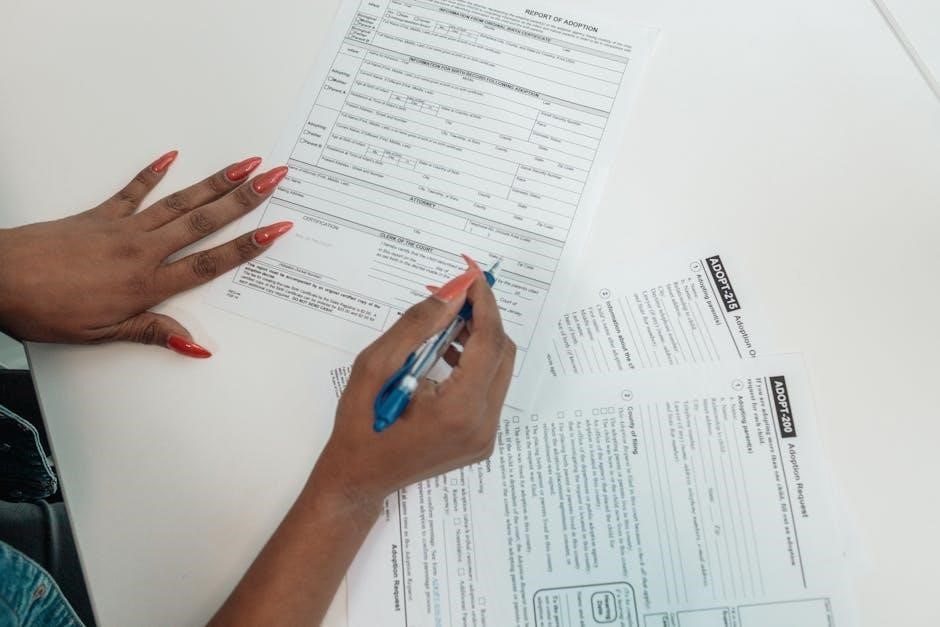
The Philippine passport application form demands meticulous completion, akin to navigating I-95’s real-time traffic updates. Sections cover personal details, travel history, and emergency contacts. Accuracy is paramount, avoiding errors that cause delays – much like SCDOT maintaining 41,000+ road miles. The new Passport Act section allows maiden name inclusion. Downloadable from the DFA website, it’s the cornerstone of a successful application.
A. Sections of the Application Form
The Philippine passport application form is structured into key sections, mirroring the detailed I-95 traffic information available online. These include personal information, contact details, and a comprehensive travel history review. A dedicated section addresses the new Philippine Passport Act, enabling maiden name declaration. Careful completion, like monitoring South Carolina’s 60,000+ road miles, is crucial for a smooth process.
B. Filling Out Personal Information
Accurately completing the personal information section is paramount, much like checking I-95 road conditions for a safe journey. Provide your full legal name, date and place of birth, and current address precisely. The form, reflecting South Carolina’s extensive road network, requires details aligning with supporting documents. Ensure consistency, especially when utilizing the new maiden name option under the Philippine Passport Act, avoiding potential delays.
C. Providing Accurate Travel History
Detailing your travel history is crucial, similar to monitoring I-95 traffic for potential disruptions. The Philippine passport application form requests dates and destinations of all past international travel. Accuracy is vital; discrepancies can cause processing delays, mirroring the impact of South Carolina road closures. Honest reporting, even regarding brief visits, ensures a smooth application, especially with the new passport act empowering maiden name inclusion.
VIII. Where to Obtain the Application Form
Securing the Philippine passport application form is straightforward, much like checking I-95 traffic conditions for a smooth journey. You can conveniently download it from the official DFA website, ensuring you have the latest version. Alternatively, physical forms are readily available at all designated passport processing centers throughout the Philippines, mirroring South Carolina’s SCDOT information access.
A. DFA Website Download
Downloading the Philippine passport application form from the DFA website offers convenience, similar to checking real-time I-95 traffic updates. The official site provides a readily accessible PDF version, ensuring you have the most current form. This digital option eliminates travel to processing centers, mirroring the ease of accessing South Carolina’s 511 travel information. Ensure a stable internet connection for a seamless download, preparing you for a smooth application process.
B. Passport Processing Centers
Obtaining a physical Philippine passport application form is possible at various DFA processing centers, much like monitoring I-95 conditions at designated checkpoints. These centers, found throughout Metro Manila and regional consular offices, provide direct access to the necessary documents. Similar to SCDOT maintaining South Carolina’s roadways, the DFA ensures form availability. Visiting these locations allows for immediate form acquisition, though online download remains a convenient alternative.
IX. Passport Application Processing Centers
Like checking I-95 traffic for safe travel, knowing DFA locations is crucial for passport applications. Metro Manila boasts numerous centers, while regional consular offices extend access nationwide. These centers, mirroring South Carolina’s 41,000+ maintained road miles, facilitate document submission. Real-time updates on center operations are vital, similar to traffic cameras along I-95. Efficient processing relies on accessible locations and informed applicants.
A. Metro Manila Locations
Just as monitoring I-95 conditions aids travel, knowing Metro Manila DFA locations streamlines passport processing. Several centers are strategically positioned throughout the city, offering accessibility for applicants. These locations, akin to South Carolina’s extensive road network, handle high volumes of applications daily. Checking appointment availability online is vital, mirroring real-time traffic updates, ensuring a smoother experience for all citizens seeking travel documents.
B. Regional Consular Offices
Similar to checking I-95 road conditions for safe travel, utilizing regional DFA offices expands passport access. These offices, mirroring South Carolina’s local road maintenance, serve citizens outside Metro Manila. They offer a convenient alternative, reducing travel burdens. Appointment systems, like monitoring traffic speeds, are crucial. Confirming specific document requirements beforehand, akin to planning a route, ensures a successful application process for all Filipino citizens;
X. Passport Application Fees (as of May 3, 2026)
Understanding passport costs is vital, much like factoring in tolls when traveling I-95. As of today, regular processing fees apply for standard timelines. Expedited services, mirroring quicker routes, incur higher charges. These fees cover document verification and processing, similar to SCDOT maintaining roadways. Always verify current rates on the DFA website, as they are subject to change, ensuring a transparent and predictable application experience.
A. Regular Processing Fee
The standard passport application fee provides a cost-effective option, akin to planning a drive considering South Carolina’s 60,000+ road miles. This processing timeline typically takes several weeks, mirroring potential travel delays on I-95. It covers the essential steps of verification and issuance. While slower, it’s ideal for applicants without immediate travel plans, offering a budget-friendly path to obtaining a valid Philippine passport.
B. Expedited Processing Fee
For urgent travel needs, an expedited processing fee offers a faster turnaround, much like checking I-95 traffic cameras for quicker routes. This premium service prioritizes your application, significantly reducing wait times. While costing more, it’s invaluable for those with imminent travel dates or unforeseen circumstances, ensuring timely passport issuance. Consider it a worthwhile investment, similar to avoiding delays on South Carolina’s extensive roadway network.
XI. Appointment Scheduling
Securing an appointment is crucial, mirroring the need to monitor I-95 traffic conditions for a smooth journey. The DFA’s online system is the primary method, though limited walk-in slots may exist. Booking ahead minimizes wait times and ensures dedicated service. Like planning around South Carolina road construction, proactive scheduling prevents frustrating delays. Be prepared for potential system congestion and book well in advance, especially during peak seasons, to guarantee a slot.
A. Online Appointment System
The DFA’s online appointment system, much like checking I-95 traffic cameras, is essential for a streamlined process. Access it through the DFA website, creating an account and selecting a preferred date, time, and location. Availability fluctuates, demanding flexibility. Treat it like planning a drive considering South Carolina’s 41,000+ road miles – preparation is key! Confirm your appointment and print the confirmation for presentation at your chosen processing center.
B. Walk-in Availability (Limited)
While the DFA prioritizes appointments, limited walk-in slots may exist, similar to unexpected delays on I-95. However, these are highly unpredictable and not guaranteed, especially given South Carolina’s extensive road network demanding constant maintenance. Expect long queues and potential rejection if capacity is reached. Relying on walk-in availability is risky; securing an online appointment remains the most reliable path to passport processing, mirroring safe travel planning.
XII. The Passport Interview Process
The passport interview verifies information on your application form, much like monitoring I-95 traffic for hazards. Expect questions about your personal details, travel history, and supporting documents. Accuracy is crucial; discrepancies could cause delays, akin to road construction impacting travel times in South Carolina. Be prepared to answer truthfully and concisely, presenting a clear and consistent narrative to ensure a smooth process.

XIII. Passport Release and Claiming
Passport release dates vary, mirroring unpredictable I-95 conditions; check the DFA website for updates. Claiming requires the official receipt, a valid ID, and potentially the old passport (for renewals). Like monitoring South Carolina’s 41,000+ road miles, tracking your application status is vital. Ensure the details on your passport are accurate upon receipt, as corrections can be time-consuming.
A. Release Dates
Predicting precise passport release dates is challenging, akin to forecasting I-95 traffic delays in South Carolina. Generally, allow 10-15 business days for regular processing, potentially faster with expedited services. The DFA provides online tracking, but updates can be sporadic. Like monitoring 60,000+ SC road miles, patience is key. Delays may occur due to volume or verification needs.
B. Required Documents for Claiming
Claiming your Philippine passport mirrors safely navigating South Carolina’s I-95; preparation is vital! You’ll need the official claim stub issued during your appointment, and a valid government-issued photo ID—matching the name on the application. Authorization letters are required for representatives. Like checking real-time traffic updates, ensure all documents are readily available to avoid processing hiccups.
XIV. New Philippine Passport Act: Maiden Name Option
The groundbreaking new Philippine Passport Act empowers Filipina citizens, mirroring South Carolina’s extensive road network offering choices! Married women can now include their maiden names, promoting identity autonomy. This option appears directly on the application form, offering a dedicated field. It’s a significant step, reflecting evolving societal norms and individual preferences, much like planning a safe I-95 journey.
XV. Common Errors to Avoid on the Application Form
Submitting a flawless Philippine passport application hinges on meticulous detail, akin to monitoring I-95 traffic for hazards! Frequent errors include mismatched signatures, inaccurate travel history, and incomplete fields. Ensure all information aligns with supporting documents. Double-check names, dates, and places. Avoid erasures or alterations; use a black pen only. Like South Carolina’s road maintenance, precision prevents costly delays and rejections.
XVI. Tips for a Smooth Passport Application Process
A streamlined Philippine passport experience, much like a safe drive on I-95, requires preparation! Schedule appointments online well in advance, mirroring proactive traffic planning. Gather all required documents – citizenship proof, IDs, and any supporting paperwork – before your visit; Complete the application form accurately and legibly. Arrive early, and dress appropriately. Remember, like South Carolina’s extensive road network, patience is key!
XVII. Dealing with Delays in Passport Processing
Unexpected delays, similar to traffic congestion on I-95, can occur during passport processing. Regularly check the DFA website for updates on processing times. Keep a copy of your application form and all submitted documents. If significant delays arise, contact the DFA via their official channels. Patience is crucial; like navigating South Carolina’s roads, persistence often yields results. Document all communication for future reference.
XVIII. Frequently Asked Questions (FAQs)
Common questions surround the Philippine passport application form, mirroring inquiries about I-95 traffic conditions. Is the online form acceptable? Yes, downloadable from the DFA website. What if I lost my birth certificate? Submit a certified copy. Can I track my application? Yes, through the DFA’s online portal. Remember, accurate information, like safe driving, is key!
XIX. Contact Information for the DFA
Need assistance with your Philippine passport application form? Reach the Department of Foreign Affairs (DFA) via their website for frequently asked questions, mirroring resources for I-95 travel updates. For urgent concerns, contact their hotline or visit regional consular offices. Remember, clear communication, like safe road conditions, ensures a smooth process. Detailed contact information is readily available online;
XX. Resources and Useful Links
Streamline your Philippine passport application form process with these helpful resources! The DFA website offers downloadable forms and FAQs, similar to real-time I-95 traffic updates. Explore links to appointment scheduling systems and regional consular office locations. For South Carolina road conditions, check SCDOT; for passports, rely on official DFA channels. These links ensure a well-prepared and efficient application journey.
XXI. Updates and Changes to Passport Regulations
Stay informed about evolving Philippine passport regulations! The recent Philippine Passport Act introduces the maiden name option, mirroring how I-95 traffic conditions change dynamically. Regularly check the DFA website for form updates and processing fee adjustments. Like monitoring South Carolina’s 41,000+ road miles, diligent tracking of DFA announcements ensures your application aligns with current requirements, avoiding potential delays or rejections.

XXII. South Carolina Traffic Conditions (Irrelevant to Passport Application)
While South Carolina monitors over 60,000 road miles, including I-95’s conditions, this information is unrelated to Philippine passport applications. Focusing on DFA guidelines—like the new maiden name option—is crucial. Avoid distractions from US traffic updates; concentrate on accurate form completion and required documentation for a smooth process, mirroring safe driving practices.